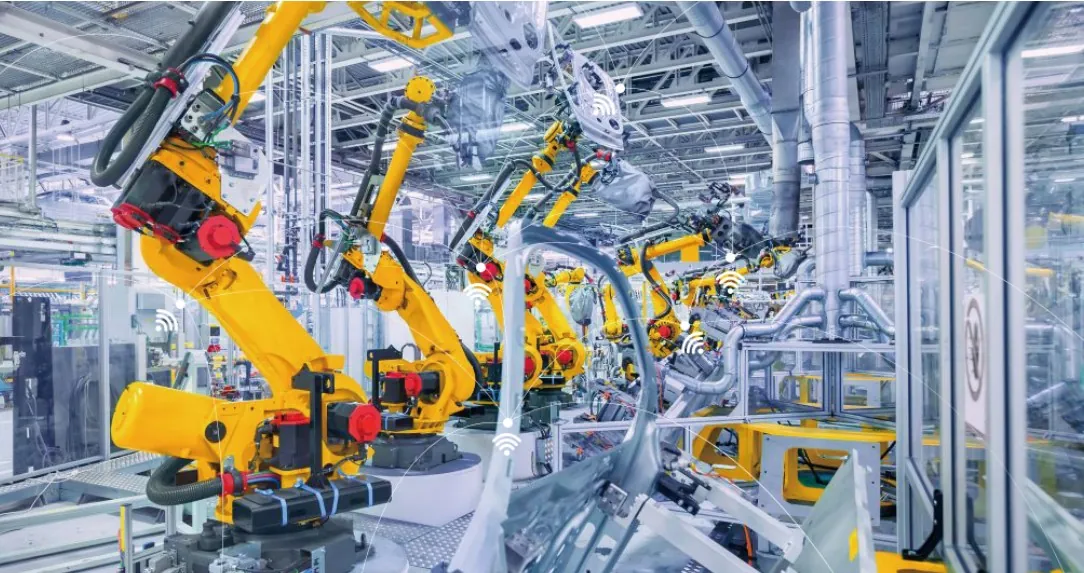
Let products find their own way through the line
RFID will play a key role in tomorrow's smart factories. Working with IoT communications, it lets machines, materials and products drive production together, unifying materials, manufacturing, sales and customer demand.
Products find their own path through production, raising execution and delivery capability, making production and logistics transparent, and enabling on-time, on-demand and in-sequence manufacturing.
From automation to intelligence
Industry 3.0 made machines move; Industry 4.0 makes machines, materials and systems talk.
Traditional automation
- Data silos MES, ERP and warehouse systems stand alone; data is merged by hand.
- Rigid scheduling Rush orders and changeovers need manual rescheduling.
- After-the-fact quality checks Causes are investigated only after losses have spread.
- Unknown asset status Equipment, mould and jig location and availability depend on asking around.
UHF RFID Industry 4.0
- Unified information Orders, purchasing, production and inventory share one data chain.
- Flexible scheduling Processes and materials are configured flexibly from live data.
- Real-time quality control Monitored from material input to finished output, with real-time correction.
- Optimised asset scheduling Live location, status and performance raise utilisation.
Industry 4.0 RFID IoT architecture
Four layers from field sensing to cloud analytics for a transparent factory.
Sensing layer
UHF RFID tags and sensors on materials, WIP, equipment and assets.
Network layer
Readers, antennas and industrial networks upload field data in real time.
Platform layer
Middleware and IoT platform handle events, rules and machine interaction.
Application layer
MES, ERP, CRM, PLM plus dashboards and reporting.
Integrates with existing MES, ERP, CRM and IDM systems to manage orders, purchasing, production and inventory as one.
The data chain from material to customer
Every node is recorded automatically by RFID.
Material receiving
Batches are tagged on receipt, starting their history.
Line input
Materials are kitted and picked to stations by work order.
Process execution
Machines read tags and apply process parameters automatically.
Quality inspection
Inspection data binds to batches; anomalies are stopped at once.
Shipping
Shipments link to customer orders for two-way traceability.
Six solution functions
Covering information, execution, quality, traceability, assets and storage.
Manufacturing Information Management
RFID combined with MES, ERP, CRM and IDM manages orders, purchasing, production and inventory as one.
Execution Control
Complements the MES to configure processes and materials flexibly for on-time, on-demand, in-sequence production.
Quality control
Oversees material input to finished output; materials can be controlled, modified or regrouped as they pass.
Tracking & tracing
A full chain from receiving to shipping, linking material batches to finished goods.
Factory Asset Management
Optimises assets with accurate location, availability, performance and stock for best scheduling.
Inventory visualisation
Live monitoring of receiving, issuing, moving, counting, kitting, picking and transport.
Recommended hardware
UHF hardware combined by read range and site.
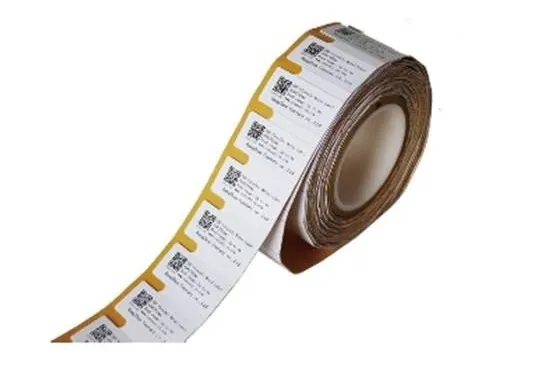
RFID tags
Paper, on-metal, high-temperature and cable-tie types, chosen by material and environment; pre-encoded and printed.
View product →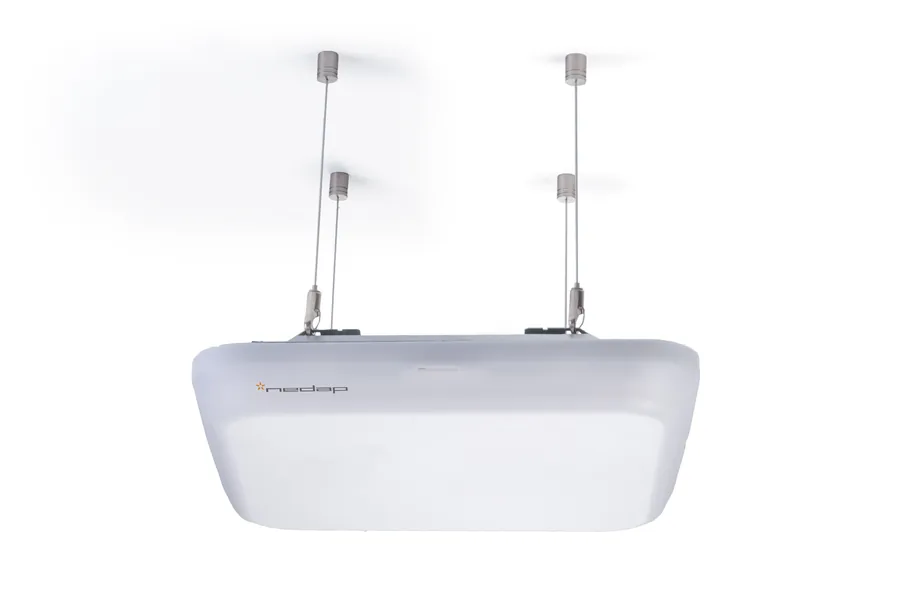
Ceiling / fixed reader
Ceiling or wall mounted, monitoring tags in the zone 24/7 without manual scanning.
View product →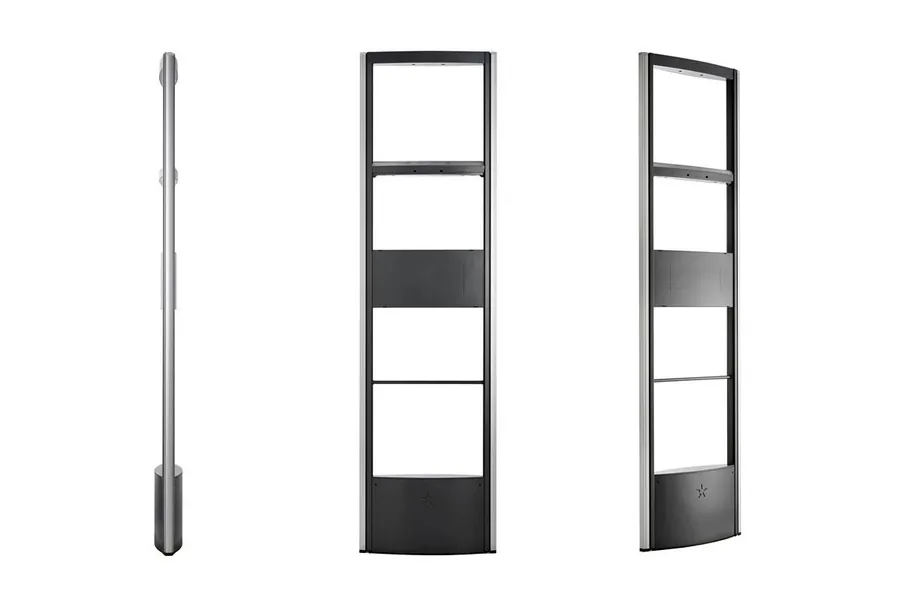
RFID portal / reading gate
Installed at docks, lines and exits — items are read and logged automatically as they pass.
View product →
RFID handheld
Android handheld with bulk reading, item finding and barcode scanning, ideal for inspection and stocktaking.
View product →Customer Benefits
Industry 4.0 upgrades management, not just machines.
Higher Production Efficiency
Smart analysis of production data keeps unlocking equipment and labour potential.
Improved Product Quality
Real-time monitoring and alerts improve control and reduce manual intervention.
Flexible Production
Respond quickly to rush orders, changeovers and high-mix demand.
Lower inventory & cost
Visible material demand reduces overstock and dead stock.
Transparent factory
Managers see progress, capacity and exceptions any time.
Data-driven decisions
Accumulated data supports scheduling and continuous improvement.
Benefits of RFID
From isolated automation to factory-wide intelligence.
Shorter lead times
Materials and processes coordinate in real time, cutting waits and moves.
Accurate data
Automatic capture replaces manual entry with trustworthy data.
Scalable
Start with one pilot line and expand to the plant and supply chain.