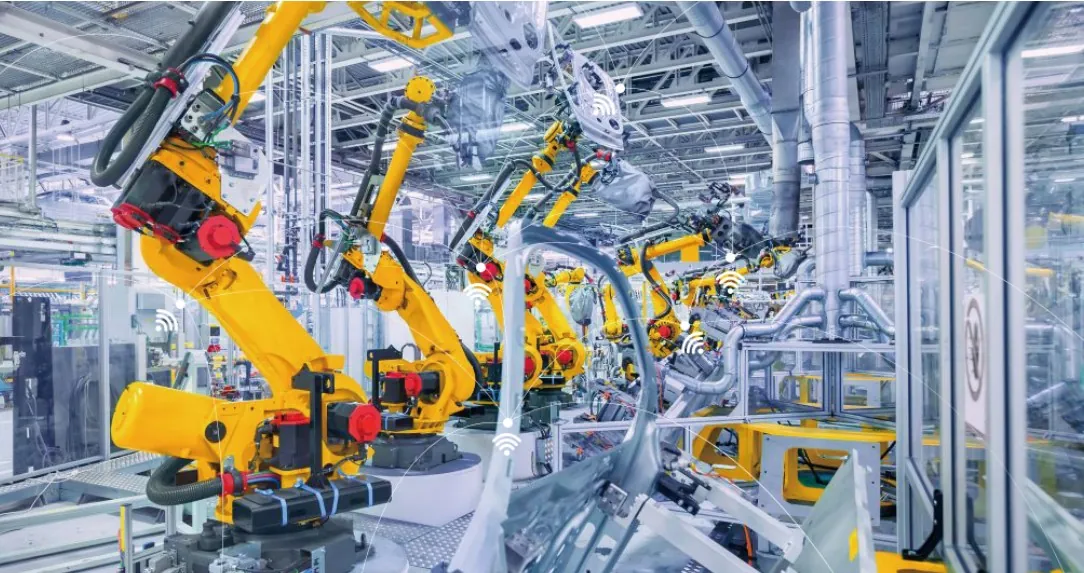
RFID lets the line "see" every work-in-progress
Smart manufacturing centres on the full product lifecycle and digitises production through ubiquitous sensing — RFID and sensors, AI, smart drives, CNC and smart logistics — what Europe calls Industry 4.0.
RFID is contactless automatic identification: long range, fast, interference-resistant and able to read many items at once. With tags on fixtures, pallets or bins, products are identified in real time inside the MES, enabling flexible production, shorter cycles, lower inventory and a true smart factory.
The production line before and after RFID
From manual records to automatic sensing — data that is real-time, accurate and traceable.
Traditional line
- Hand-written route cards Reporting relies on paper and manual entry — late and error-prone.
- Barcodes scanned one by one Dirt or obstruction blocks reading; no bulk or automatic capture.
- WIP location unknown Chasing materials wastes labour; bottlenecks surface too late.
- Quality issues hard to trace When defects appear, batch, station and operator cannot be found quickly.
With RFID
- Automatic reporting Fixtures are read at each station; start and finish times are written to the MES automatically.
- No line-of-sight, bulk reading Resists dirt, reads through packaging and identifies many items at once.
- Real-time WIP location Dashboards show which station each order is at and what remains.
- One-click traceability Material batch, process, equipment and operator data are fully linked.
Smart-manufacturing RFID architecture
From sensing and reading to middleware and applications — seamlessly connected to existing systems.
Industrial RFID tags
On fixtures, pallets, bins and products, carrying order and process data.
Station readers + antennas
At stations, conveyors and gateways, capturing data automatically.
Edge control / middleware
Filters and organises reads, and interacts with PLCs, robots and AGVs.
MES / ERP / WMS
Integrated management and analysis of orders, quality, inventory and traceability.
The RFID system connects to your existing MES or ERP through APIs, databases or middleware — no need to replace current systems. Gold-Pick plans read points and data flows around your plant.
How RFID runs on the production line
From material input to shipment, every station records automatically.
Bind work order
At material input, write the order and model to the fixture or bin tag.
Station identification
Read on arrival; equipment switches process parameters from the tag data.
Quality records
Inspection results and key parameters are written back; anomalies trigger alerts.
Completion & storage
Completion is reported automatically and finished goods are read through the portal into stock.
Shipping & traceability
Shipments link to batches, so finished goods trace back to raw materials.
Core applications in smart manufacturing
Smarter manufacturing processes, product lifecycles and logistics.
Intelligent manufacturing process
Industrial RFID tags on fixtures or pallets carry WIP data; station readers exchange it with the MES, letting robots, conveyors and AGVs act on it.
Product lifecycle management
Combining RFID with sensors captures product status through machining and assembly, giving full visibility of WIP conditions for data-driven decisions.
Intelligent warehousing & logistics
Site monitoring, fast pass-through counting and bulk sorting; automated, precisely located WIP and goods movements with shared, end-to-end logistics data.
Quality traceability
Link raw-material batches to finished goods so the scope of any quality issue is found fast.
Error-proofing
Stations alert immediately on wrong materials or skipped steps.
Live dashboards
Output, progress and yield in real time, so managers always know the floor.
Recommended hardware
Industrial-grade hardware chosen per station; Gold-Pick runs on-site read tests.
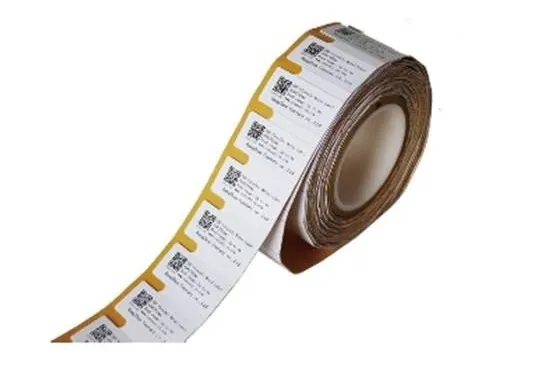
RFID tags
Paper, on-metal, high-temperature and cable-tie types, chosen by material and environment; pre-encoded and printed.
View product →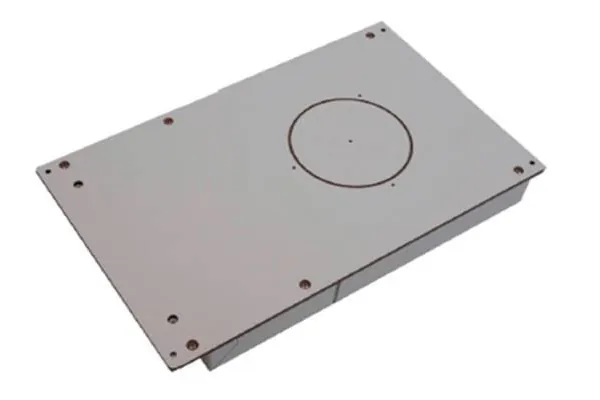
UHF panel antenna
Circularly polarised panel antenna that forms a read zone at workstations, conveyors or inside cabinets.
Ask for specs →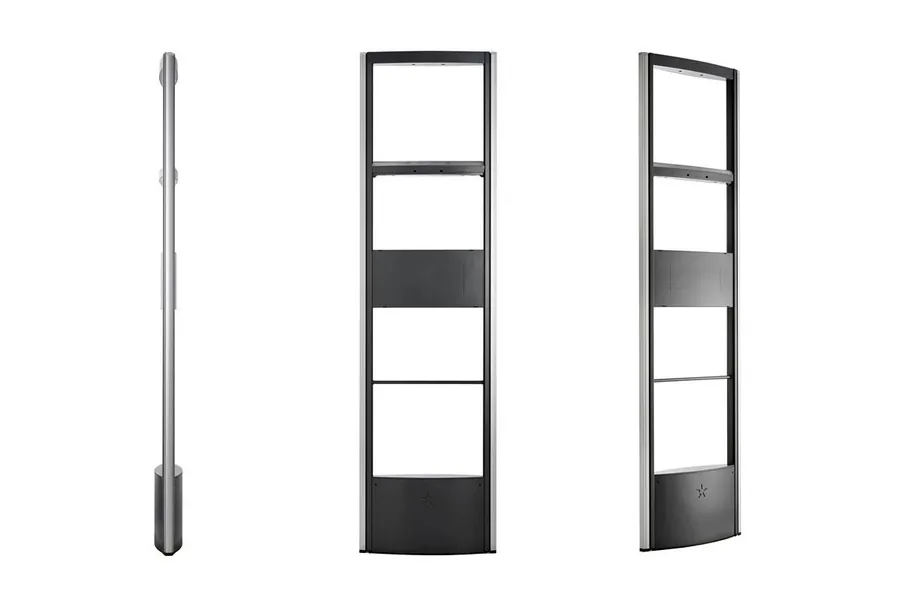
RFID portal / reading gate
Installed at docks, lines and exits — items are read and logged automatically as they pass.
View product →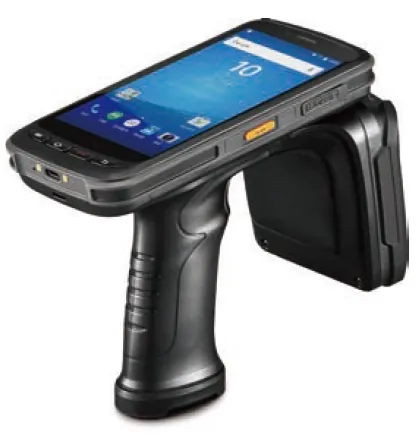
RFID handheld
Android handheld with bulk reading, item finding and barcode scanning, ideal for inspection and stocktaking.
View product →Industries served
Any multi-product, multi-process production that needs traceability.
Automotive & components
Mixed-model lines, part error-proofing and full history.
Electronics assembly
Reel and jig management with process traceability.
Metalworking
On-metal tags track workpieces and moulds.
Food & consumer goods
Batch control, expiry and shipment tracing.
Textiles & apparel
Cut pieces, WIP flow and output statistics.
Machinery & equipment
Assembly progress and part traceability for large equipment.
Benefits of RFID
Project result: automatic WIP identification and real-time management raised process data capture to 99%.
Higher Production Efficiency
Automatic reporting removes manual entry and waiting, unlocking more from equipment and people.
Improved Product Quality
Real-time monitoring and alerts reduce manual intervention and stop problems at the source.
Flexible production
Processes switch automatically from tag data, so mixed-model production stays orderly.
Lower inventory
Live WIP and material counts enable on-demand feeding and less stock.
Complete traceability
An unbroken data chain from material to product supports audits and regulations.
Data-driven decisions
Production data reveals bottlenecks, yield and capacity.