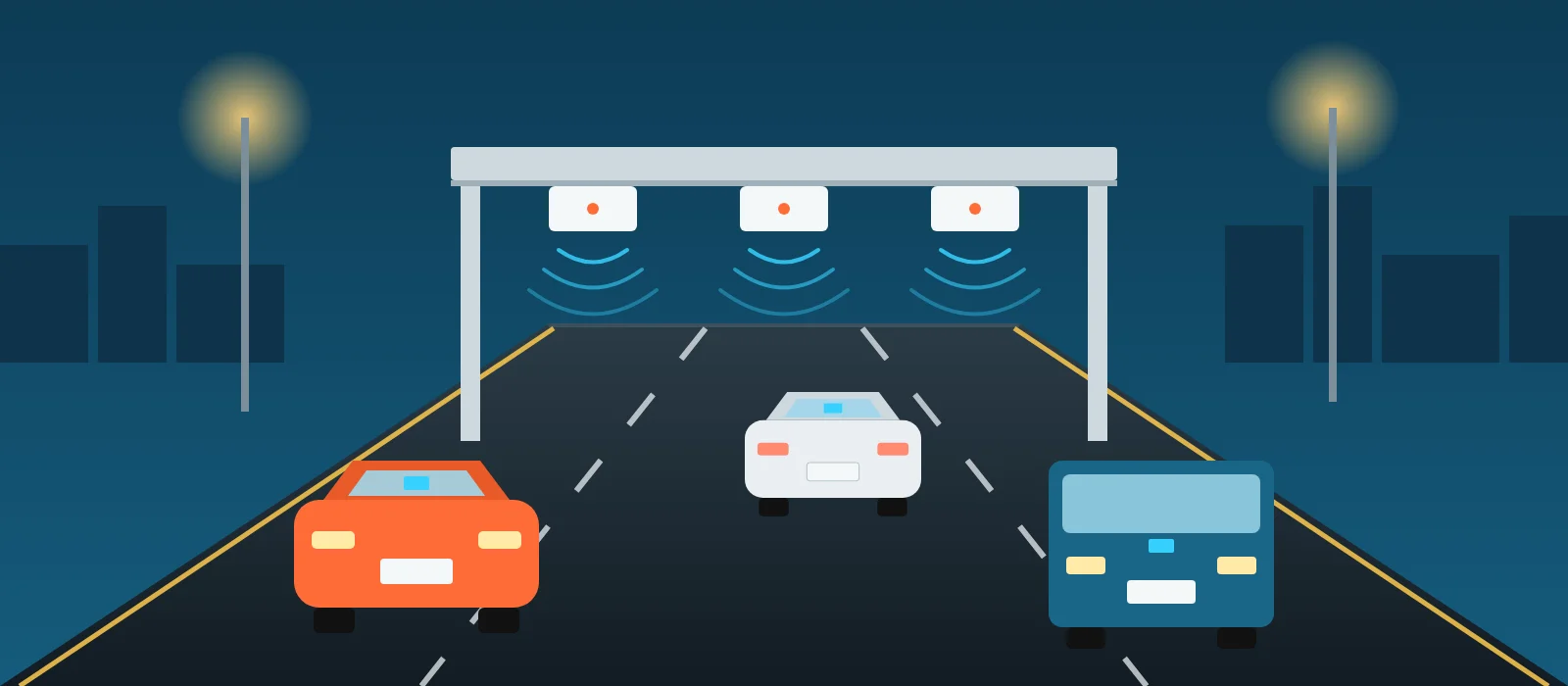
Identify and charge vehicles without slowing down
Electronic toll collection solves modern traffic and road-charging challenges. With RFID, roads and bridges charge vehicles automatically and accurately — no stopping, no cash, no manual handling.
It cuts wear and fuel from stop-start driving, lowers emissions, speeds traffic, raises road and bridge utilisation and minimises charging errors. The same technology powers car parks, residential and factory vehicle access, and fleet and bus management.
Manual tolling vs. RFID electronic tolling
Going electronic makes roads smoother and management lighter.
Manual tolling / access
- Stop and queue Vehicles stop to pay or swipe, causing peak-hour jams.
- High staffing cost Toll booths need large rotating teams.
- Charging errors Manual change and records lead to errors or missed charges.
- Emissions & wear Stop-start driving adds fuel use, emissions and noise.
RFID tolling / access
- Pass without stopping Vehicles are identified and charged at speed.
- Automated management Unstaffed lanes cut management costs sharply.
- Accurate charging Automatic billing and charging minimise errors.
- Lower emissions Fewer stops mean less noise and exhaust.
RFID electronic tolling components
From vehicle tags and antennas to lane monitoring and back-office charging.
Vehicle e-tag
Installed in the vehicle, holding vehicle and trip data.
RFID reader antennas
Mounted over lanes to create the communication zone.
Lane monitoring
Lane controllers and cameras handle release and auditing.
Electronic charging
Computers calculate fees and charge accounts over the network.
Components: vehicle tag read/write system, RFID tags, reader antennas, lane monitoring, monitoring computers and the electronic charging system.
How it works
From entering the lane to completed payment in an instant.
Enter the zone
The vehicle enters the lane antenna's range.
Read the tag
The e-tag sends vehicle and trip data to the antenna.
Lane processing
The lane controller processes data and writes the trip record back.
Automatic charging
Fees are calculated from the record and charged over the network.
System advantages
Six advantages of the solution.
24-hour monitoring
Operates around the clock without interruption.
Automatic charging
Lanes and charging are automated, usually completed within about a minute.
Online statements
Owners check trips and fees online.
Higher throughput
Raises lane capacity and throughput, preventing congestion.
Trip records
Stores passage times to improve traffic management and planning.
Energy saving
Vehicles pass at speed with less noise and exhaust.
Recommended hardware
Read equipment planned by lane width, speed and site.
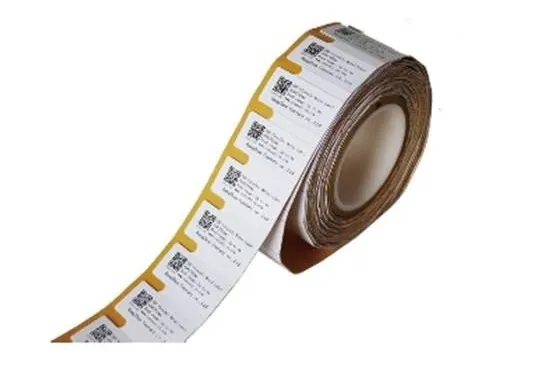
RFID tags
Paper, on-metal, high-temperature and cable-tie types, chosen by material and environment; pre-encoded and printed.
View product →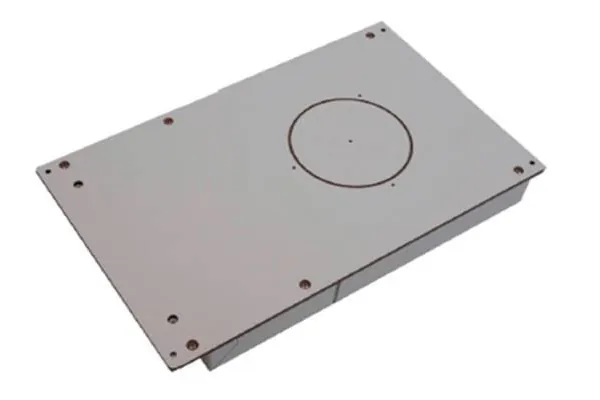
UHF panel antenna
Circularly polarised panel antenna that forms a read zone at workstations, conveyors or inside cabinets.
Ask for specs →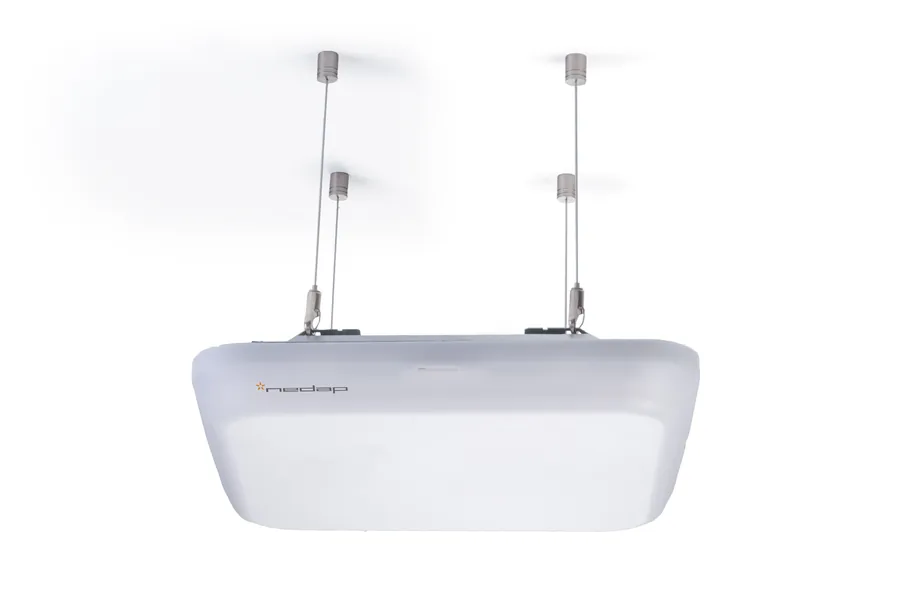
Ceiling / fixed reader
Ceiling or wall mounted, monitoring tags in the zone 24/7 without manual scanning.
View product →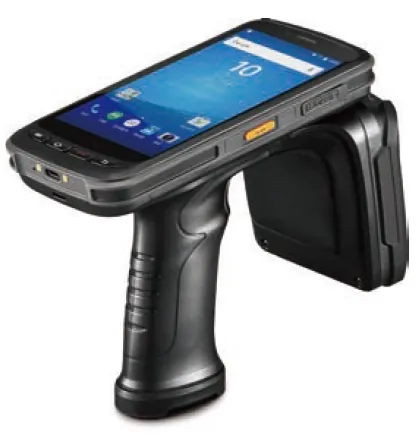
RFID handheld
Android handheld with bulk reading, item finding and barcode scanning, ideal for inspection and stocktaking.
View product →Applications
One RFID technology from highways to residential car parks.
Road & bridge tolling
Free-flow tolling for an efficient network.
Car parks
Season holders drive in and out without tickets.
Residential & factory gates
Authorised vehicles pass automatically; visitors are separated.
Logistics fleets
Gate times and loading durations recorded.
Buses & depots
Arrivals, departures, maintenance and dispatch.
Restricted vehicles
Vehicles in airports, ports and controlled areas.
Benefits of RFID
Electronic charging upgrades both roads and management.
Much higher capacity
Vehicles pass at tens of km/h, greatly increasing road capacity.
Lower operating costs
Electronic charging shrinks toll plazas and saves construction and management costs.
Friendlier cities
Less noise and exhaust — a hallmark of modern urban traffic.