
Smart Library
From circulation desk to smart library service
Built on RFID and connected through RFID middleware, the solution brings radio-frequency identification into library management — self-service loans, stocktaking, shelving, search, security, card management and collection statistics.
Readers enjoy faster borrowing and searching, while libraries transform how they work, raise efficiency and lighten staff workloads. RFID tags also outlast ordinary barcodes and magnetic strips.
Self-service for readersFast whole-library countsExit security
Stacksread at once — no book-by-book scanning
24hreturn service, round the clock
6subsystems working together
Longertag life than barcodes or magnetic strips
Before & After
The library before and after RFID
Free staff from repetitive work so they can focus on readers.
Barcodes / magnetic strips
- Queues at the desk Every book is opened, scanned and desensitised — long queues at peak times.
- Stocktakes take weeks Scanning book by book often means closing for days.
- Misplaced books get lost A misshelved book is effectively lost to readers.
- False alarms Magnetic strips fail or false-alarm, annoying readers.
RFID smart library
- Self-service loans A whole stack is read at once; readers borrow, return and renew themselves.
- Fast stocktakes An inventory cart or handheld sweeps the shelves — no closure needed.
- Instant misplacement alerts Shelves and counting devices flag misplaced books automatically.
- Accurate security Gates read loan status and alarm only on unborrowed books.
System Architecture
RFID library system architecture
From book tags to the library automation system, data stays consistent.
1
Book RFID tags
Holds the item ID inside the spine and lasts for years.
2
Kiosks & staff stations
Self-service kiosks, staff stations and 24-hour returns.
3
RFID middleware
Connects all devices and manages tag reads and status.
4
Library management system
Integrates with your existing catalogue and circulation system (SIP2 etc.).
RFID is scalable: start with tags and security gates, then add self-service, smart shelving or inventory tools later without changing tags or earlier equipment.
Workflow
A book's journey through the library
Every step from cataloguing to loan is recorded automatically.
Cataloguing
New book data is written to the tag and its location uploaded.
Shelving
Shelved by location, with alerts for misplacement.
Search & renew
Readers check availability and location online and renew themselves.
Self-service loans
Several books at once, with an automatic receipt.
Security gate
Reads loan status automatically and alarms on unborrowed books.
Key Functions
Six subsystems
The full solution covers every step for staff and readers.
Cataloguing system
New books get RFID tags with their data, and locations sync to the back-end database.
Shelf management
Used for shelving and fixing misplaced books, checking holdings and lightening staff work.
Self-service registration
Readers issue their own library cards.
Self-service search & renewal
Online — readers check status and location from any computer and renew.
Self-service loans & returns
Readers borrow and return themselves, reducing staff work and raising service levels.
Security gate system
Reads loan status automatically to prevent theft.
Hardware
Recommended hardware
Hardware combined to fit library size and services.
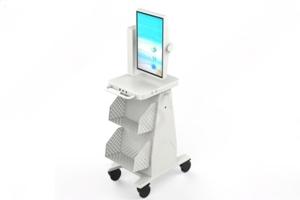
Self-service
RFID self-service kiosk
Readers borrow, return and renew themselves, with several books read at once.
View product →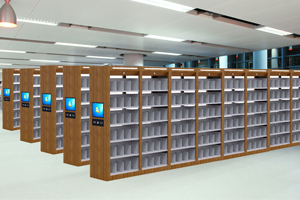
Smart shelves
RFID smart bookshelf
Antennas on every shelf track books in real time and flag misplaced items.
View product →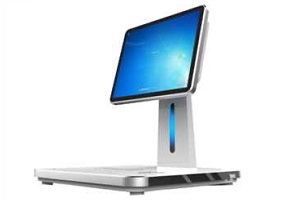
Staff workstation
RFID staff workstation
Desktop reader with screen for circulation, tag conversion and cataloguing.
Ask for specs →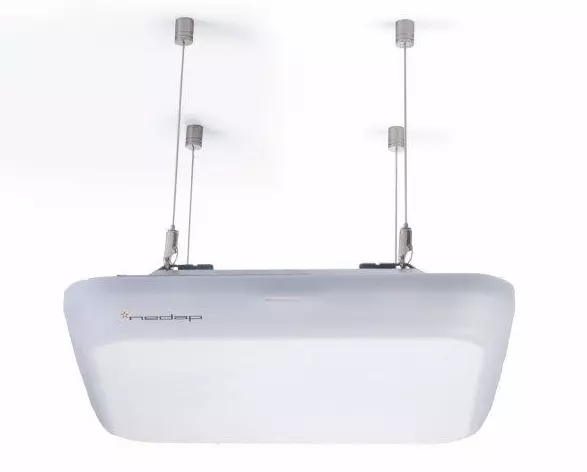
Exit security
Nedap iDTop ceiling detection
Hangs from the ceiling and detects unborrowed books by direction, keeping the entrance clear.
View product →Use Cases
Where it fits
Solutions for libraries of every size.
Public libraries
High circulation and longer service hours.
University libraries
Large collections with self-service.
School libraries
Students self-serve; teachers manage with ease.
Corporate libraries
Technical documents and book loans.
24-hour return points
Return books after closing time.
Branches & mobile libraries
Synced data across locations.
Benefits
Benefits of RFID
Benefits from the original solution.
More efficient management
Far faster stocktakes and shelf tidying.
Higher circulation
Simpler loans and friendlier service encourage borrowing.
Lighter workloads
Staff are freed from repetitive tasks to focus on readers.
FAQ
FAQ
Can existing barcodes be used alongside RFID?
Yes. Barcodes and RFID can run side by side during conversion, and RFID tags can carry your existing barcodes.
How long does converting the whole collection take?
It depends on collection size; staff stations read barcodes and encode tags, zone by zone, without closing.
Will it connect to our library system?
Yes, through standard interfaces such as SIP2; Gold-Pick helps with testing.